 ®
® SKIN resurfacing.
Three Sciton platforms tuned to different goals — Halo Hybrid for texture and tone, MOXI for gentler glow, Microlaser Peel for deeper pigment. Strict screening on Fitzpatrick + sun + retinoids.
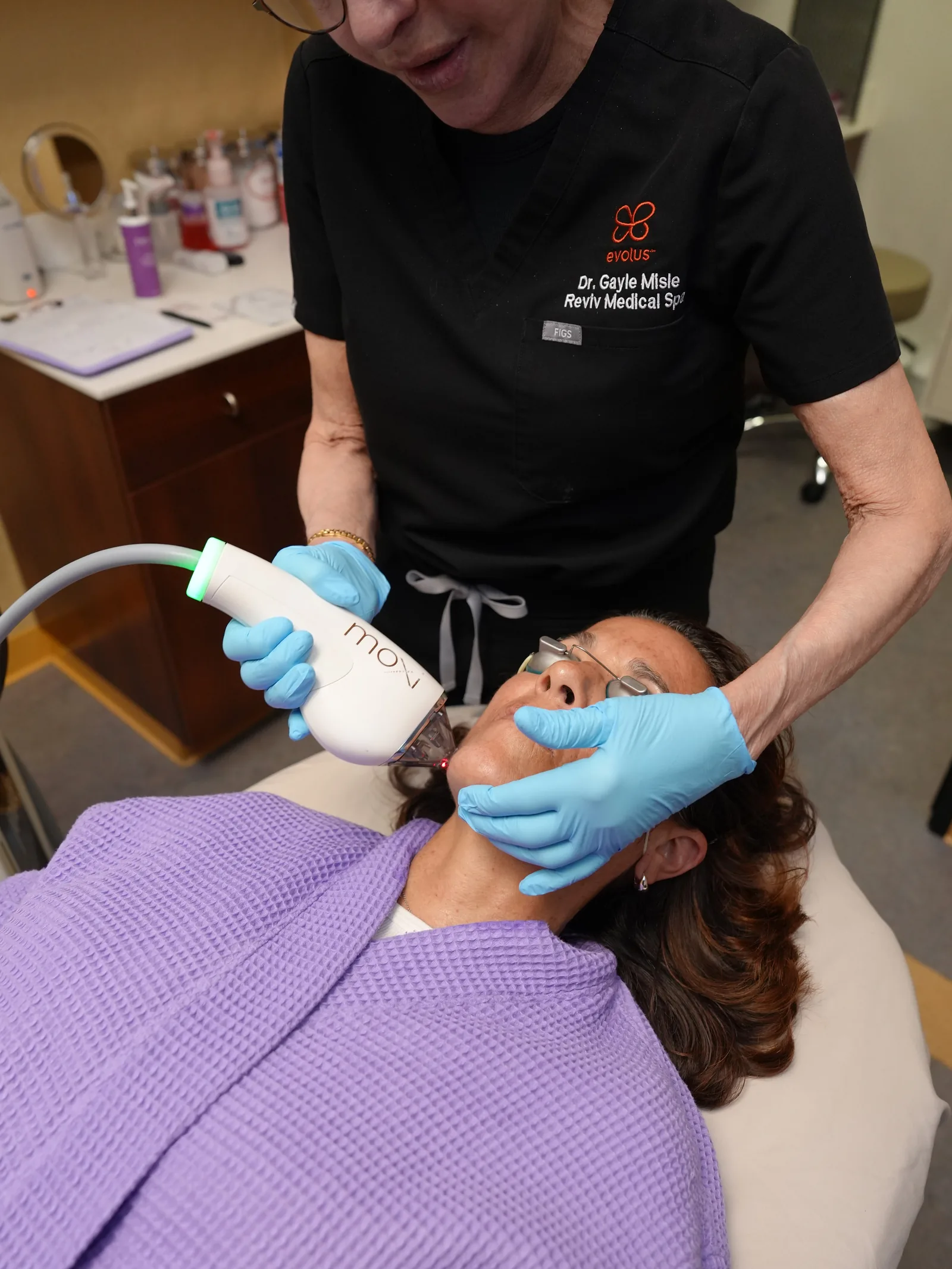
Microscopic columns, organized remodeling.
Fractional laser resurfacing creates microscopic columns of controlled injury in the skin. The columns trigger your body's wound-healing response — new collagen deposition, organized remodeling, fresh epidermis. Because it's fractional (treating a fraction of the surface in tiny columns), the surrounding untreated tissue speeds healing.
Different lasers operate at different wavelengths and depths. Some are ablative (vaporize the surface, deeper effect, more downtime). Some are non-ablative (heat without vaporizing, less downtime, milder effect per session). Choosing the right tool for the goal is most of the work — and why we run multiple Sciton platforms instead of a single one-size-fits-all device.
Treatment takes 60 to 90 minutes (including topical numbing). Visible results begin at 1–2 weeks and compound over 8–12 weeks as collagen remodels. Single sessions of Halo deliver substantial improvement; MOXI is typically done as a series of 3 to 4.
Trained technique, strict screening.
Skin resurfacing at Reviv Med Spa in Millbrae is performed by our Medical Director Dr. Gayle Misle, MD, and our Aesthetic Nurse Megan Sosnick, RN — both with extensive training in Sciton platform technique, settings, and screening.
We carry the three Sciton platforms because each fits a different goal:
- Halo Hybrid by Sciton
- Combined ablative (1470 nm) and non-ablative (2940 nm) wavelengths in one pass. Strong texture and tone improvement, 3–5 days of social downtime. Single-session protocol; visible results at 1–2 weeks, full result at 6–8 weeks.
- MOXI by Sciton
- Non-ablative 1927 nm wavelength. Gentler than Halo; appropriate for first-timers, sensitive skin, and a wider range of Fitzpatrick types. Typical protocol is a series of 3 to 4 sessions, 4 weeks apart.
- Microlaser Peel by Sciton
- More aggressive ablative resurfacing for deeper texture and pigment correction. 5–7 days of recovery. Single-session protocol for the right candidate.
We assess in person and recommend the platform — sometimes more than one — that fits your skin type, your goals, and the downtime you can manage.
Combination protocols. We commonly pair Halo with PRP on the same visit. The laser channels create the delivery route; concentrated PRP from your own blood goes in immediately after. The result is amplified compared with either alone. See platelet-rich plasma from your own blood for the biologic details.
One toolkit, three depths.
In your consultation we'll match the platform to your skin type, your goals, and the downtime you can manage.

Halo Hybrid Fractional
Combined ablative + non-ablative wavelengths in one pass. 3–5 days social downtime; single-session result.
MOXI
Non-ablative 1927 nm. Gentler — 1–3 days of pinkness. Series of 3–4 spaced 4 weeks apart.
Microlaser Peel
More aggressive ablative resurfacing for deeper texture and pigment. 5–7 days recovery.
What laser rebuilds.
Sun damage
Pigmented lesions and overall photodamage on face, decolletage, and hands.
Skin texture
Pore size, surface roughness, early static lines, and overall tone.
Acne scarring
Halo and Microlaser Peel address shallow-to-moderate scarring through fractional remodeling.
Fine lines
Early static wrinkles softened through collagen remodeling over 8–12 weeks.
Tone and radiance
Overall surface refresh — what shows up after 6–8 weeks of healing.
MOXI Wrinkles Texture Pores Tone Pigment Glow Halo MOXI Wrinkles Texture Pores Tone Pigment Glow Halo MOXI Wrinkles Texture Pores Tone Pigment Glow What to know, in four lines.
- 01
The right platform depends on your skin type, your goals, and your downtime tolerance — Halo, MOXI, and Microlaser Peel are tuned to different cases.
- 02
Strict pre-treatment screening: no isotretinoin within 6 months, no sun or self-tanner for 2 weeks, no active retinoids or AHAs/BHAs for 5–7 days.
- 03
Strict 4-week sun avoidance after treatment is non-negotiable — fresh skin is uniquely vulnerable to post-inflammatory hyperpigmentation.
- 04
Pricing is per session and quoted in writing at consultation. Combination protocols (Halo + PRP) are priced separately.
From day zero, to remodeled skin.
Treatment day. 60–90 min appointment with topical numbing. Skin reads warm and pink afterward — like a moderate sunburn. You can return to private settings same-day; most patients plan a quiet 2–3 days.
Skin develops a fine bronze sandpaper texture (the "MEND" grain) as treated micro-columns push to the surface. Avoid actives, sun, and heat. Gentle cleanser and ceramide moisturizer only.
MEND grains shed and smoother skin appears underneath. By days 5–7 most patients are back to normal makeup and routine. Strict daily SPF and sun avoidance still required.
Full collagen-remodeling response. Tone evens, texture smooths, fine lines soften. Most patients return for a series of 2–3 sessions spaced 4–6 weeks apart for layered improvement.
Before your visit, and the days after.
- Consultation
- Schedule a thorough consultation with your medical provider to discuss your skin concerns, goals, medical history, and any potential allergies or sensitivities. This ensures that Sciton Halo Laser is safe and suitable for you.
- Avoid Sun Exposure
- Avoid direct sun exposure and tanning (including self-tanners) for at least 4 weeks before your treatment. Sunburned or tanned skin can increase the risk of side effects and may reduce the effectiveness of the treatment.
- Discontinue Certain Skincare Products
- Stop using retinoids, alpha hydroxy acids (AHAs), beta hydroxy acids (BHAs), and other exfoliating or irritating skincare products on the treatment area for at least one week prior to your appointment.
- Hydrate Well
- Drink plenty of water in the days leading up to your treatment to ensure your skin is well-hydrated, which can aid in recovery and enhance results.
- Avoid Anti-Inflammatory Medications
- Refrain from using anti-inflammatory medications such as aspirin and ibuprofen for at least one week before the procedure to minimize the risk of bruising.
- Avoid Alcohol
- Limit alcohol consumption for at least 24 hours before your appointment, as it can dehydrate your body and increase the risk of bruising.
- Cleanse Your Skin
- Arrive at your appointment with clean, dry skin. Avoid applying lotions, creams, deodorants, or makeup to the treatment area on the day of your appointment.
- Protect from Sun Exposure
- Protect the treated area from direct sunlight and avoid tanning for at least 4 weeks post-treatment. Apply a broad-spectrum sunscreen with SPF 30 or higher to shield your skin from UV damage.
- Use Gentle Skincare Products
- Cleanse the treated area gently with a mild, non-irritating cleanser. Avoid using harsh skincare products or exfoliants for at least one week to allow your skin to heal properly.
- Avoid Heat and Sweat
- Refrain from taking hot baths, using saunas, or engaging in activities that cause excessive heat and sweating for at least 48 hours after treatment to prevent irritation and swelling.
- Manage Discomfort
- Some redness, swelling, and mild discomfort are normal after treatment. Use over-the-counter pain relievers, such as acetaminophen, if needed, but avoid anti-inflammatory medications for the first 24 hours.
- Stay Hydrated
- Continue to drink plenty of water after your treatment to help your body flush out toxins and support the healing process.
- Avoid Strenuous Activities
- Steer clear of vigorous exercise, heavy lifting, and activities that cause excessive sweating for at least 24-48 hours post-treatment to minimize irritation and swelling.
- Follow-Up Care
- Schedule and attend follow-up appointments as recommended by your provider to monitor your progress and ensure optimal results. Your provider may suggest additional treatments or skincare products to enhance the results.
You'll receive these resurfacing instructions in writing before your visit and we review them with you in person. Questions during recovery? Call (650) 697-3339 — we answer same-day. See the aftercare hub for the universal recovery principles and when to call us.
What it actually costs.
Resurfacing at Reviv starts at $600 per session (MOXI, full face). Pricing varies by platform and area treated. Halo and combination protocols (Halo + PRP) are priced higher than MOXI per session, but MOXI is typically a series of 3–4 sessions while Halo is single-session. We quote in writing at consultation, before any treatment begins.
Reviv membership members receive 15% off Halo + PRP combination protocols and 10% off MOXI per the membership tier table.
Who it's for — and who it isn't.
- Adults with sun damage, uneven tone, or surface texture concerns
- Patients with shallow-to-moderate acne scarring
- Patients with early static wrinkles or photoaging
- Patients who can commit to strict sun avoidance for 2–4 weeks post-treatment
- Patients on isotretinoin within the last 6 months
- Pregnant or breastfeeding patients
- Patients with active skin infection, untreated cold-sore history, or active rosacea/eczema flare
- Patients with recent sun tan, self-tanner, or photosensitizing medications
Your laser team.
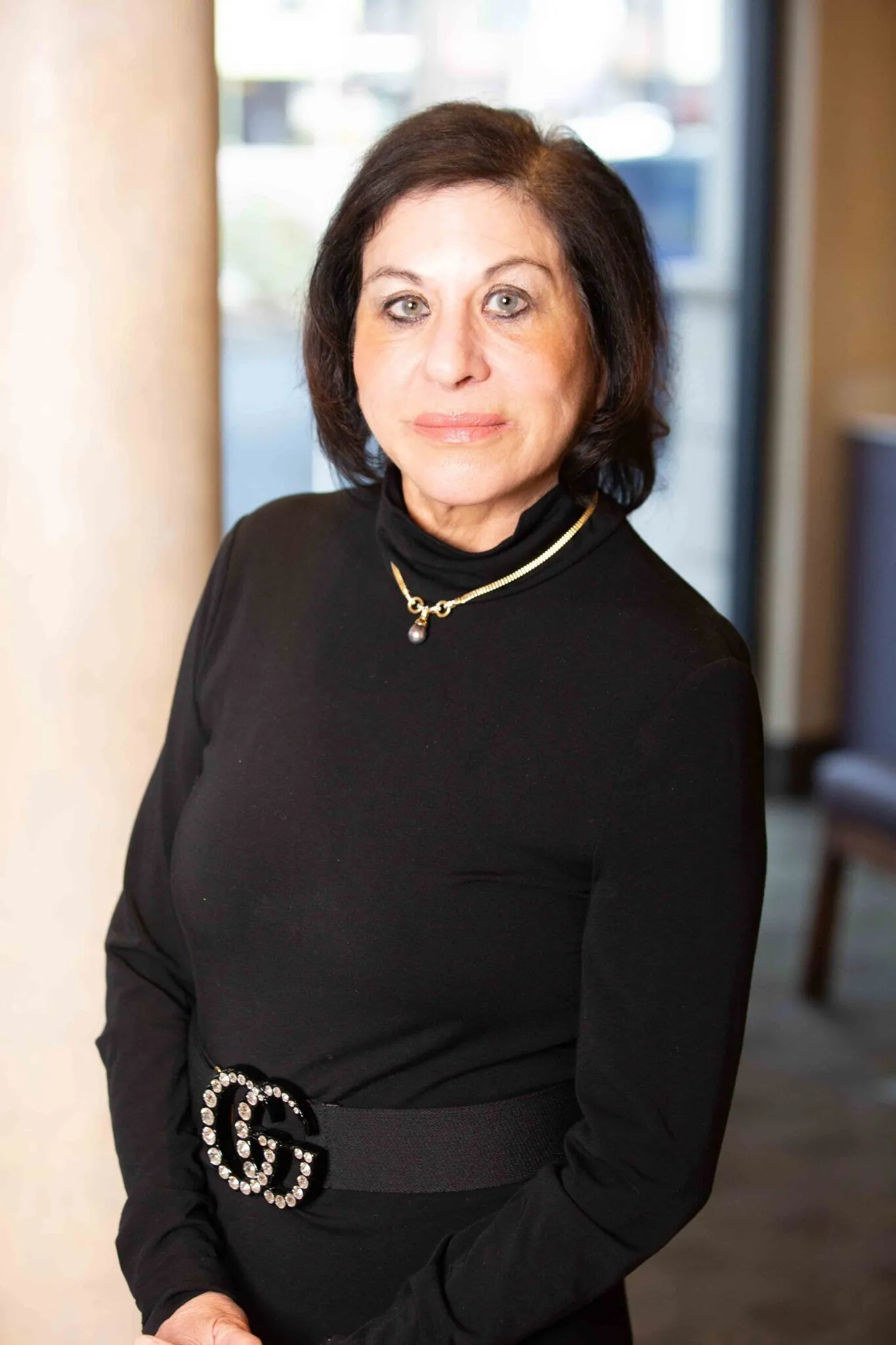
Dr. Gayle Misle, MD
Founder of Reviv Med Spa & Laser Treatment. Leads our laser-resurfacing program with extensive training in Sciton platform settings and skin-type screening.

Megan Sosnick, RN
Aesthetic Nurse and Practice Manager. Runs your initial consultation, performs laser sessions alongside Dr. Misle, and manages your post-treatment follow-up.

Hanadi Al Ramahi
Performs Halo and MOXI resurfacing sessions and shapes the skincare around them — prepping the skin, matching the depth to your goals and downtime, and guiding you through recovery across the series.
Real Reviv patients. No retouching.
Six to eight weeks post-treatment. Same lighting, same pose, same camera. Tap any pair to read the case study — platform used, settings, recovery details.
Individual results vary. All photos are real Reviv patients, shared with consent. Lighting and pose are matched, no retouching.
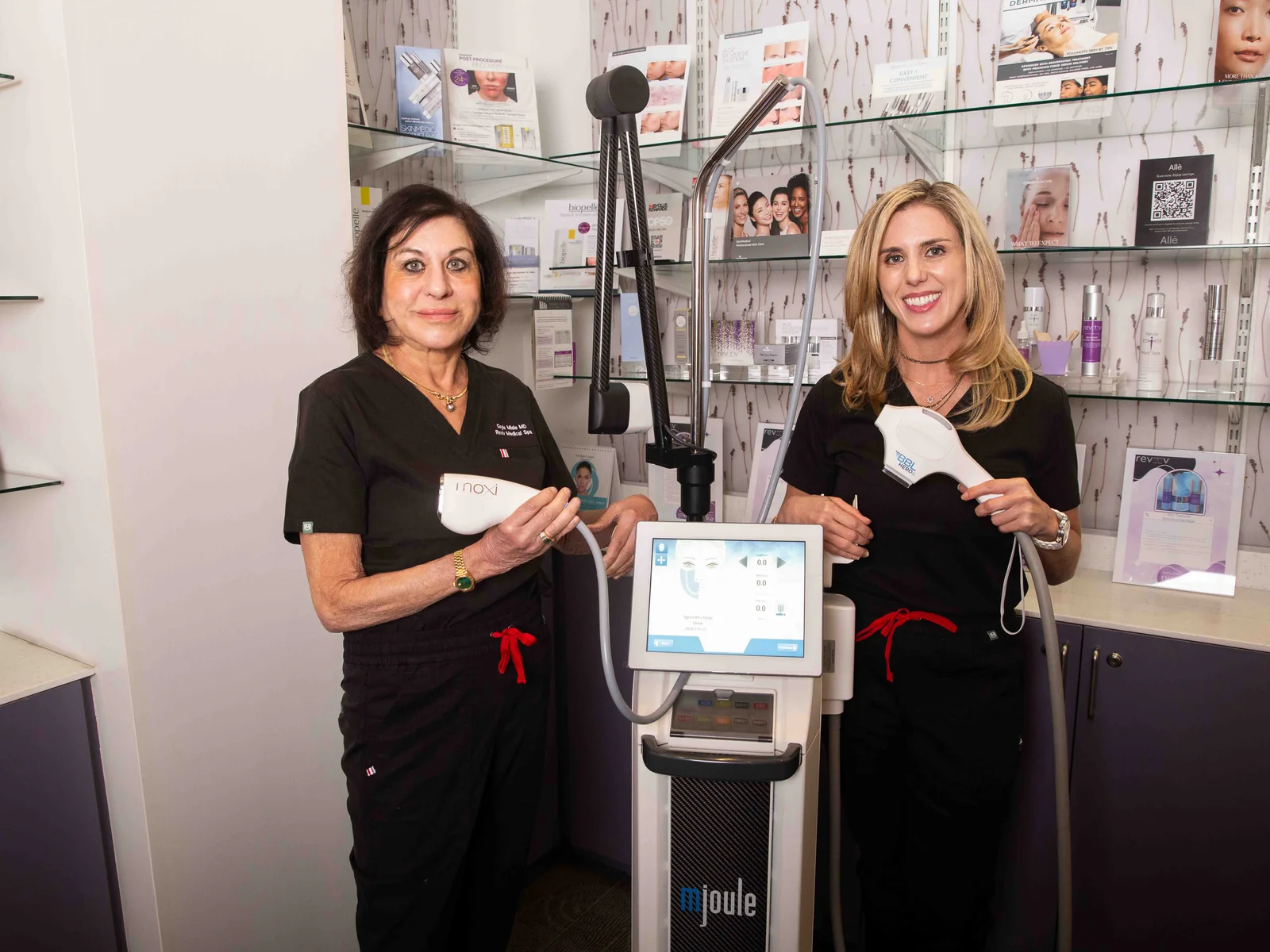
On our Sciton platform.
Halo and MOXI are run on the Sciton hybrid fractional laser platform here in our Millbrae studio. Same device family, calibrated each session to your skin response. Treatment time depends on the surface area covered.
What people say about Reviv.
I had a BBL and Halo treatment at REVIV Medical Spa in Millbrae and had an excellent experience with Megan Sosnick. From the very beginning she made me feel comfortable and safe, which really helped ease any nerves before starting the treatment.…
…I had the Halo treatment done and I have to admit, I wasn't impressed at first. But just as Dr. Misle had explained, the results were really noticeable about 3 months after the treatment. My skin was noticeably smoother, glowing, and my acne scars were not as noticeable.…
…During my most recent visit i was mostly concerned about acne scars and some pigmentation, where she recommended Halo laser treatment.…
Frequently asked.
My last laser series did not change anything. How would this be different?
Usually the series was the wrong tool for the concern: broadband light treats color, fractional laser treats texture, and one device cannot do both. Why a laser series shows no change, and what a triple stack does walks through how we match the platform to the concern, in person, before a series is booked.
Is resurfacing the right choice for laxity, or for redness alone?
Resurfacing targets texture and tone. For loose skin the better fit is NuEra Tight radiofrequency for laxity on the face, neck, and body; for redness and brown spots without texture change, the BBL Hero photofacial or, on the body, BBL Heroic for the chest, hands, and arms.
What's the difference between Halo, MOXI, and Microlaser Peel?
All three are Sciton platforms but they operate at different intensities. Halo Hybrid combines ablative (1470 nm) and non-ablative (2940 nm) wavelengths in one pass — strong texture and tone improvement with 3–5 days of social downtime. MOXI is non-ablative — gentler with 1–3 days of pinkness; appropriate for first-timers, all skin types, and maintenance. Microlaser Peel is more aggressive ablative resurfacing for deeper texture and pigment correction, with 5–7 days of recovery.
Which one do I need?
Depends on your goals, your skin type, and how much downtime you can tolerate. We assess in person and recommend honestly. Patients with deeper sun damage or texture often benefit from Halo or Microlaser Peel; patients newer to laser, with sensitive skin, or with limited downtime often start with MOXI.
How long do results last?
Visible improvement begins at 1–2 weeks and continues building over 8–12 weeks as collagen remodels. A single Halo session typically holds for 12+ months; MOXI is often done as a series of 3–4 sessions to compound effect. Maintenance every 12 to 18 months sustains results.
How much does laser resurfacing cost?
Pricing starts at $600 per session (MOXI, full face) and varies by platform and area treated. Halo and combination protocols (Halo + PRP) are priced higher than MOXI. Reviv membership members receive 15% off Halo + PRP combination protocols and 10% off MOXI per the membership tier table.
Does laser hurt?
Topical numbing applied for 30–45 minutes brings most patients to a 4–5 out of 10 during Halo. The sensation is described as a hot rubber-band snap. MOXI is gentler — 2–3 out of 10. We can pair with cooling air during treatment.
Is the downtime really that bad?
It's honest downtime, not catastrophic. Halo: 3–5 days of bronzed-pigment "MENDs" (microscopic epidermal necrotic debris) sloughing; you can leave the house with mineral SPF and a hat but wouldn't want to be in front of a camera. MOXI: 24–72 hours of pinkness, easily covered with mineral makeup. We schedule honestly so you know what to plan around.
Can I combine laser with PRP?
Yes — and it's our strongest combination protocol. Halo creates the channels; PRP applied immediately after delivers your own growth factors into them. The result is amplified compared with either alone. See our /prp/ page for the biologic details.
What about skin tone — can darker skin tones get this?
Skin type matters. MOXI is the safer choice for Fitzpatrick IV–VI; Halo at conservative settings can be appropriate. Microlaser Peel and aggressive Halo are higher-risk for post-inflammatory hyperpigmentation in deeper skin tones. We screen carefully (Fitzpatrick + history of melasma or PIH) and tell patients honestly when laser is or isn't the right path.
Are there side effects?
Expected: redness, sandpaper texture, mild swelling for the downtime window. Possible: prolonged redness (especially in sensitive skin), post-inflammatory hyperpigmentation (more common in higher Fitzpatrick types), reactivated cold sores (if history). Less common: scarring, infection. We use sterile technique, screen carefully, and have post-care protocols to minimize each.
Who should not get laser resurfacing?
Patients on isotretinoin within the last 6 months. Active skin infections at the treatment area. Pregnancy. Recent sun tan or self-tanner. Active cold sore (or untreated history without antiviral prophylaxis). Certain photosensitizing medications. Active rosacea or eczema flares. We screen carefully at consultation.
Patients come to us from across the peninsula.
Reviv Med Spa is at 31 S El Camino Real in Millbrae, California — easy to reach from across the Bay Area peninsula. Patients come to us from Burlingame, San Mateo, Hillsborough, San Bruno, Foster City, and the broader peninsula including Atherton, Belmont, Brisbane, Daly City, Half Moon Bay, Menlo Park, Pacifica, Palo Alto, Portola Valley, Redwood City, San Carlos, and South San Francisco. Off the 101, just south of SFO. Free parking on site.